
TIP UPJŠ — Technologický a inovačný park metabolitemarket.com

C7 Organic Synthesis · Reactive intermediates · glycoprotein and glycolipid building blocks

Sugar Isothiocyanates & Aminosugars

Sugar isothiocyanates form covalent bonds with amines, which makes them useful for conjugating sugars to proteins or fluorescent labels and tracking sugar transport in vivo. Aminosugars are building blocks for glycoprotein and glycolipid synthesis, joint-nutrition compounds and antibiotic development targeting bacterial cell walls.

Evidence
Synthetic capability · characterisation on request
Stage
Synthesis to order · licensing open
Indicative
Price on requestcustom quantities available
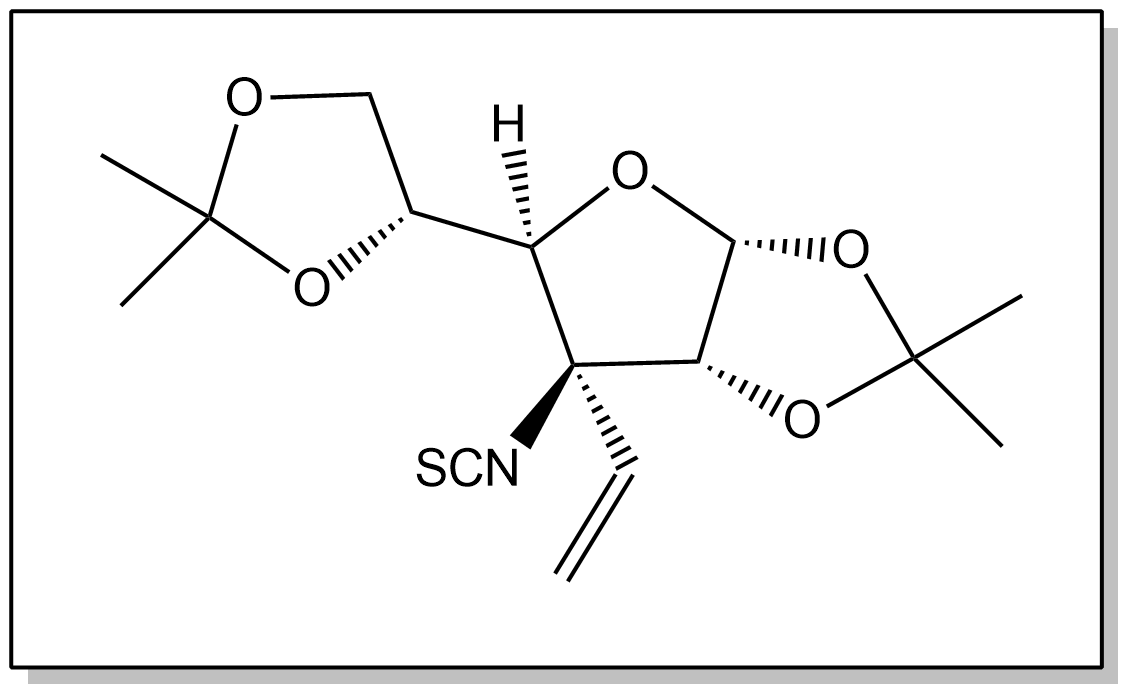
Structure of a sugar isothiocyanate — protected furanose intermediate
Sugar isothiocyanate — protected furanose
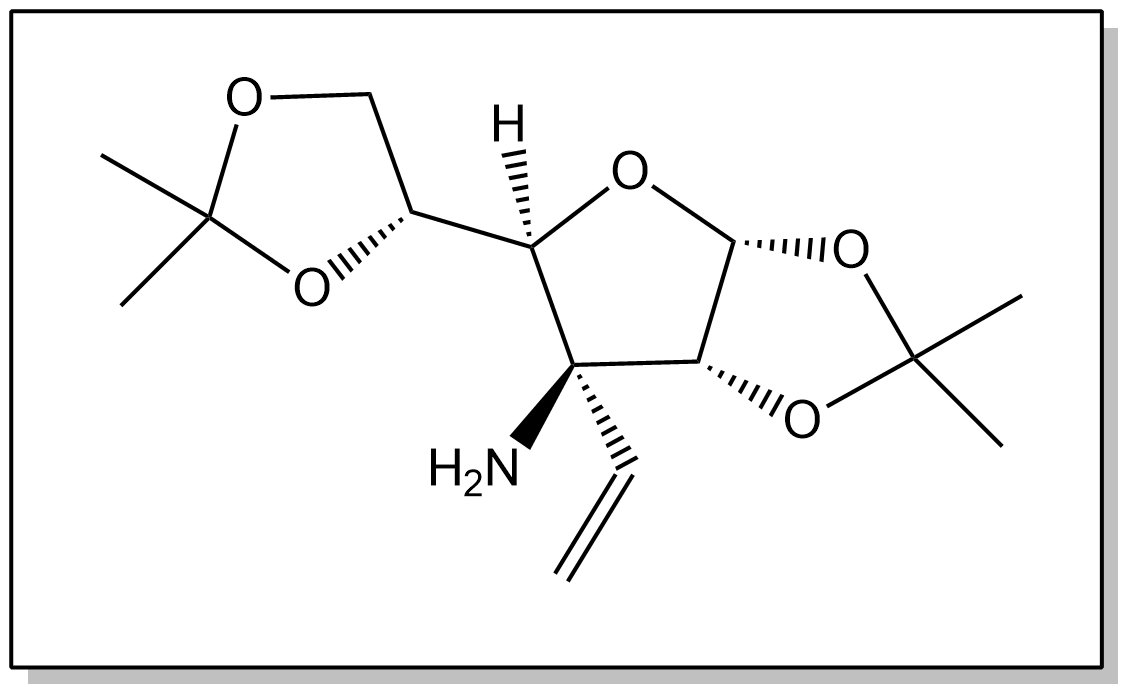
Structure of an aminosugar — protected furanose bearing an NH2 group
Aminosugar — protected furanose with –NH₂

Scientific summary

Sugar isothiocyanates are highly reactive intermediates that form covalent bonds with amines. That makes them useful for conjugating sugars to proteins or fluorescent labels, which in turn enables tracking of sugar transport in vivo. Aminosugars — in which a hydroxyl is replaced by –NH₂ — are key building blocks in glycoprotein and glycolipid synthesis, with applications in joint-nutrition compounds and in antibiotic development targeting bacterial cell walls.

Applications

  • Bioconjugation of sugars to proteins and labels
  • Glycoprotein and glycolipid synthesis
  • In vivo sugar transport tracking
  • Chondroprotective compound development
  • Antibiotic development targeting cell wall biosynthesis

Specification

Compound typeProtected furanose isothiocyanates and aminosugars
Research groupDepartment of Organic Chemistry, Faculty of Science, UPJŠ
Evidence statusSynthesis capability; characterisation data on request
SupplySynthesised to order · custom quantities available
EngagementCustom synthesis · pilot · licensing
Indicative pricePrice on request, by scope and application

What happens next

  1. Book a call or send an inquiry. Tell us the target, the application and the timeline.
  2. We answer within three working days — including when the answer is that we cannot help.
  3. NDA before disclosure, if you need one. Tick the box on the form.
  4. Feasibility scan or pilot proposal with a defined scope, deliverable and price.

Book a 30-minute discovery call Send an inquiry

Common questions

How does an engagement start?
With a free 30-minute discovery call. We establish whether there is a fit and what the right next step is. Nothing is committed at that point.
Can we sign an NDA before we describe our project?
Yes. Tick the NDA box on the inquiry form and we arrange it before any disclosure.
Are the prices on this site binding?
No. They are indicative ranges so that you can size a project before contacting us. Final terms are negotiated per scope.
How quickly do you reply?
Every inquiry is acknowledged within one working day and answered by the responsible group leader within three.
What happens if you cannot help?
We say so, early, and where we can we point you to someone who can. A negative feasibility answer delivered quickly is a useful result.

Related in Organic Synthesis

C1Fluorescent probe

APF · C26H17NO5 · MW 433.42 g/mol

Aminophenyl Fluorescein (APF)

Cell-permeable, photostable probe for selective detection of highly reactive oxygen and nitrogen species. On reaction with hROS/hRNS it is cleaved to release free fluorescein, giving a strong signal on standard microscopes, flow cytometers and plate readers.

  • hROS / hRNS detection
  • Live-cell imaging
  • Flow cytometry
  • HCS antioxidant screening
Selectivity
OCl⁻ · HO· · ONOO⁻
Stage
Synthesis to order
Indicative
Price on requestby quantity and application
C2

NPF · C26H15NO7 · MW 463.40 g/mol

Nitrophenyl Fluorescein (NPF)

A substrate and reporter group for enzymatic and bioanalytical assays. Enzyme-mediated hydrolysis or reduction of the nitrophenyl ester bond changes absorbance and fluorescence, producing an optical signal proportional to enzyme activity or analyte concentration.

  • Enzyme activity reporter
  • Esterase substrates
  • Hydrolase profiling
  • Plate-reader compatible
Readout
Absorbance · fluorescence
Stage
Synthesis to order
Indicative
Price on requestby quantity and application
C3

Pyrrolidine-based sphingolipid analogues

Sphingomimetics

Synthetic compounds designed to mimic the structure and function of natural sphingolipids. The five-membered nitrogen heterocycle improves chemical stability and affinity for specific enzymes, making these candidates for inhibitor development and lysosomal disorder research.

  • Glucosylceramide synthase inhibitors
  • Gaucher disease research
  • Ceramide regulation
  • Anticancer screening
Evidence
Synthetic capability · characterisation on request
Stage
Synthesis to order · licensing open
Indicative
Price on requestby quantity and application

Tell us what you are trying to achieve.

A free 30-minute call establishes whether there is a fit and what the right next step is. Every inquiry is acknowledged within one working day and answered by the responsible group leader within three.